
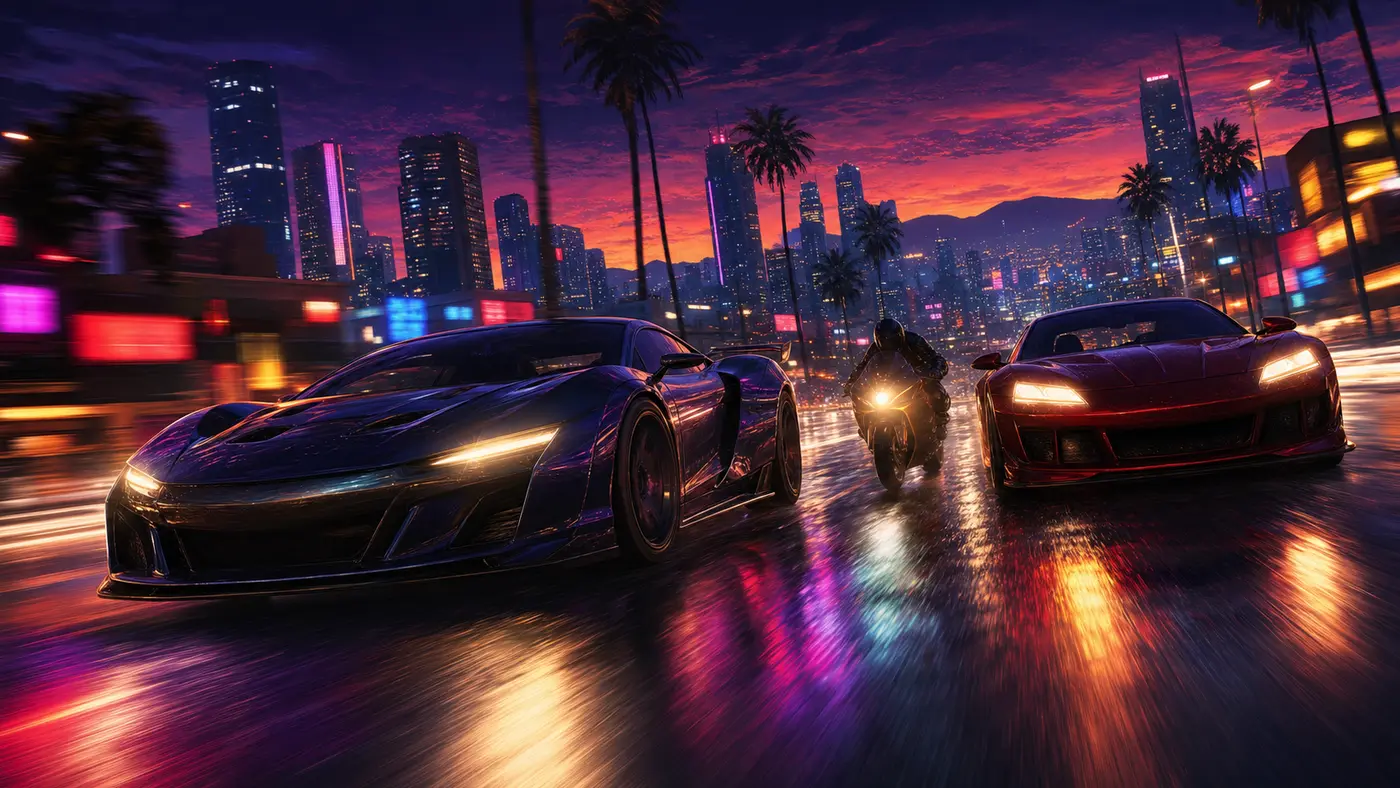
Before Los Santos, before the horses of Red Dead, Rockstar was already pushing metal at 180 mph. Midnight Club is four arcade racing games released between 2000 and 2008, made by the studio that would go on to invent the RAGE engine and build Red Dead Redemption. A cult saga that quietly disappeared, yet whose DNA still runs through every corner of GTA. Here’s a look back at the series Rockstar left parked in the garage.
A racing saga born in the streets of Tokyo
The name is no accident. Midnight Club pays tribute to the real Mid Night Club, a crew of Japanese underground drivers who tore up the Wangan, the coastal expressway around Tokyo Bay, at insane speeds. Rockstar took a principle from it: no track, no load times between races, no rules. You drive through an open city, challenge anyone, and blast from point A to point B by whatever route you choose.
The first entry, Midnight Club: Street Racing, launched in 2000 alongside the PlayStation 2’s debut, developed by Angel Studios. New York and London for a playground, a handful of rides, and already that arcade edge that would become the series’ signature. In 2002, Take-Two acquired Angel Studios and renamed it Rockstar San Diego. The follow-up, Midnight Club II (2003), doubled down by adding motorcycles and a genuine world tour, from Los Angeles to Paris to Tokyo.
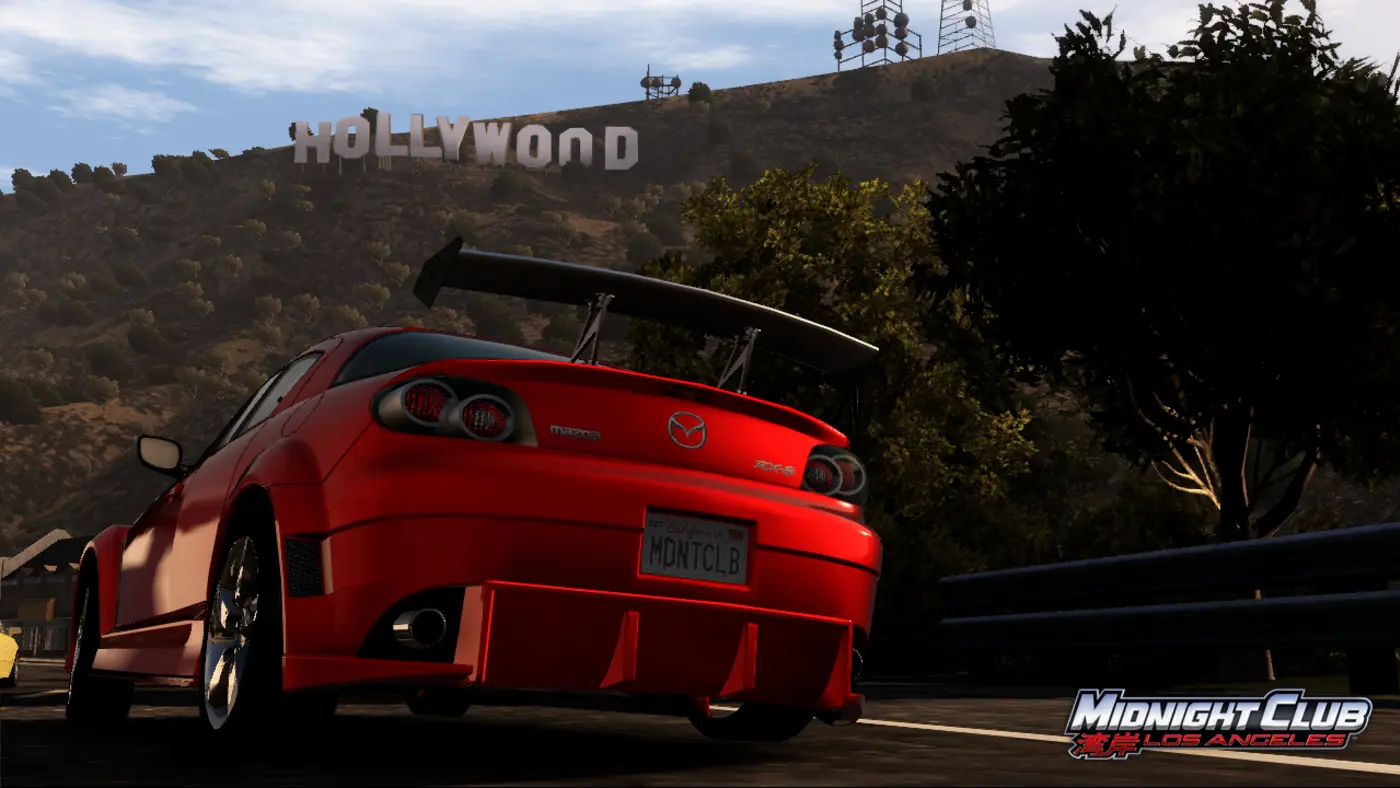
That obsession with real, licensed cars, customizable down to the last bolt, is something the series shares with the modern GTA games. It’s the same eye for detail behind the real cars that inspire GTA’s vehicles.
Midnight Club 3: DUB Edition, the peak
2005 brought the high point of the saga: Midnight Club 3: DUB Edition. Rockstar teamed up with DUB magazine, the bible of American tuner culture, to deliver the ultimate customization game of its era. Chrome rims, body kits, hydraulics, sound systems that rattled the chassis: winning was no longer enough, you flexed your style. San Diego, Atlanta and Detroit set the stage, before a Remix version in 2006 added Tokyo and new challenges.
Commercially, it’s the entry that left the biggest mark, the one that cemented the series as the arcade, style-forward alternative to more serious simulations. The formula was dialed in: razor-sharp handling, a catalog of real rides, an open city, and a hip-hop and electro soundtrack that matched the nocturnal mood.
Los Angeles 2008: the first big open world on RAGE
It’s the fourth entry that interests GTA fans the most. Midnight Club: Los Angeles, released in October 2008 on PlayStation 3 and Xbox 360, rebuilds the City of Angels as an open world, with a dynamic day/night cycle and changing weather. Rockstar’s official page sums up the pitch plainly: drive through a modern, richly recreated L.A. behind the wheel of tuners, muscle cars, exotics and superbikes, with no track and no load times.
But the real achievement is technical. Midnight Club: Los Angeles runs on RAGE, the Rockstar Advanced Game Engine. This in-house engine was developed by the RAGE Technology Group division, born inside Rockstar San Diego after Rockstar decided to cut ties with third-party technology. Its first test run was the modest Rockstar Games Presents Table Tennis in 2006. Then came the wave of open worlds: GTA IV in 2008, Midnight Club: Los Angeles that same year, and soon Red Dead Redemption. In other words, that 2008 street racer already shared the technical plumbing that today powers GTA VI’s graphics and the RAGE engine.
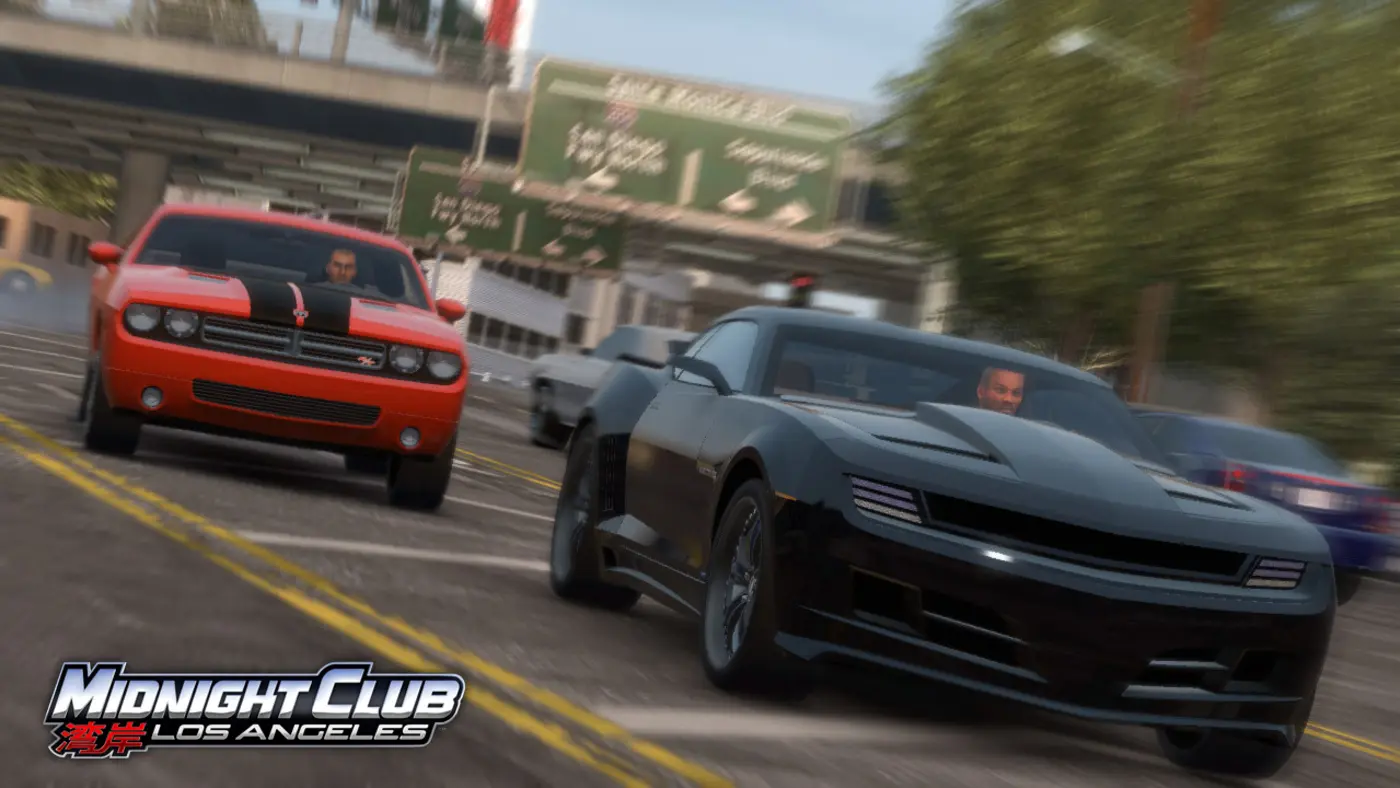
The game got a handheld spin-off, L.A. Remix, on PSP, co-developed by Rockstar London and Rockstar San Diego. Here’s the official trailer Rockstar unveiled at the time, a burst of nighttime speed through the streets of South Central.
| Entry | Year | Cities and new features |
|---|---|---|
| Street Racing | 2000 | New York, London. The series' launch on PS2 |
| Midnight Club II | 2003 | Los Angeles, Paris, Tokyo. Motorcycles arrive |
| 3: DUB Edition | 2005 | San Diego, Atlanta, Detroit. DUB tuner partnership |
| 3: DUB Remix | 2006 | Adds Tokyo and new challenges |
| Los Angeles | 2008 | Open-world L.A. on the RAGE engine, day/night. PSP version L.A. Remix |
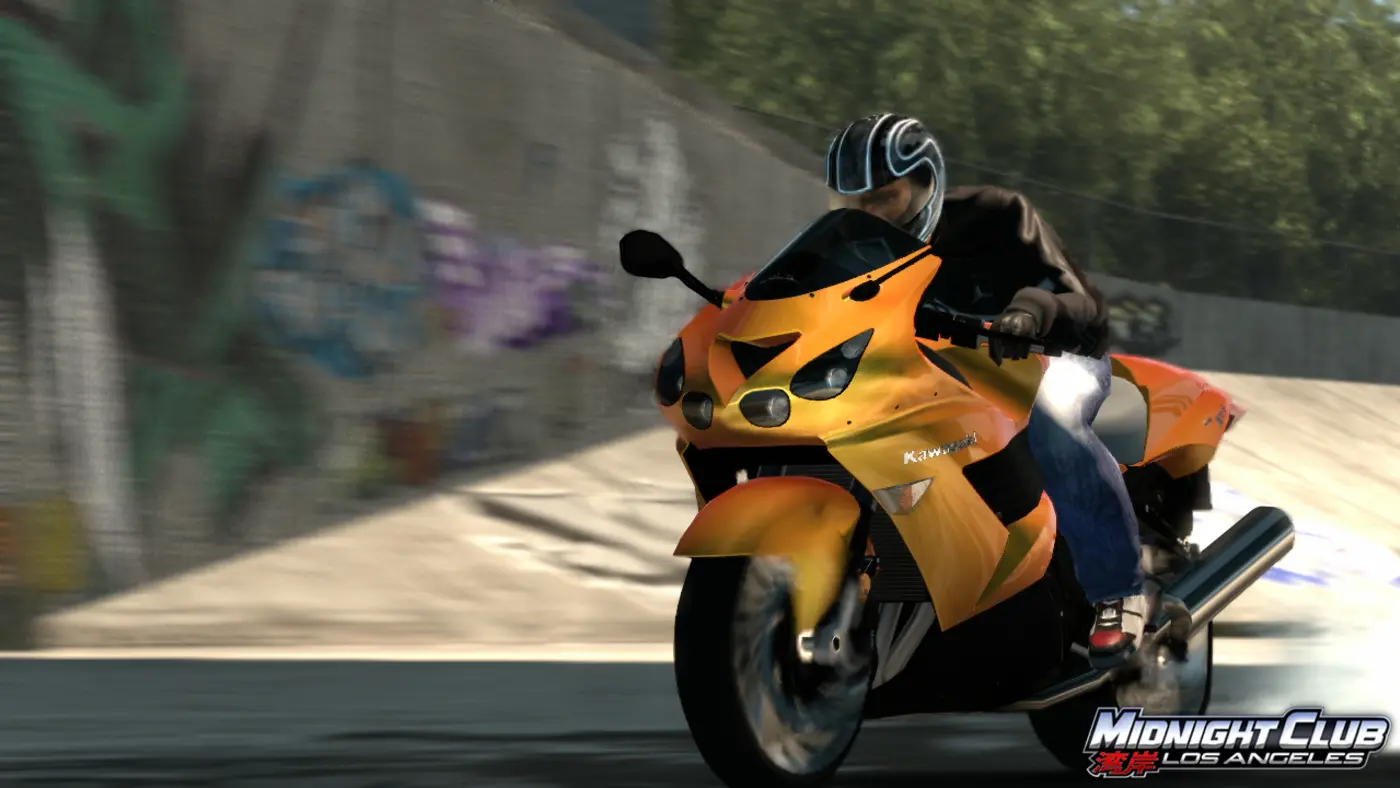
Why Midnight Club disappeared (and what it left to GTA)
After 2008, nothing. The series faded out with no announcement, no goodbye. The reason is simple: Rockstar San Diego had a far more ambitious project on the fire. The studio threw itself heart and soul into Red Dead Redemption, the open-world western that shipped in 2010 and became one of the label’s pillars. Midnight Club, meanwhile, stayed in the garage. Nobody ever turned the key again.
But the legacy never faded. The RAGE engine, proven on these street races, became the technical backbone of Rockstar’s entire modern catalog: GTA IV, GTA V, Red Dead Redemption 2, all the way to Grand Theft Auto VI. The craft of arcade driving, the dense city crossed at full tilt, that sense of a ride glued to the road, all of it poured into the GTA games. When you string together chases in Los Santos, you’re driving, without knowing it, a little in Midnight Club’s tire tracks.
The saga thus joins the long list of gems the studio keeps up its sleeve, alongside the other great Rockstar games outside of GTA. One question still nags at the nostalgic with every new rumor: once GTA VI arrives on November 19, 2026, might Rockstar finally pull one of its old licenses out of the garage? Take-Two has never fully closed the door. Midnight Club, patient, is still waiting for its turn on the track.
Comments
Be the first to react.